برچسب: Blog

  • Gli amici di CyberItalian (Friends of CyberItalian) – Cyber Italian Blog

    Gli amici di CyberItalian (Friends of CyberItalian) – Cyber Italian Blog

    [ad_1]


    CyberItalian si impegna da sempre per creare online un ambiente di apprendimento sereno, protetto e inclusivo per i propri studenti e visitatori.
    Allo stesso modo, CyberItalian sostiene con passione progetti umanistici e solidali che contribuiscono a costruire una società più serena, giusta e solidale per tutti.
    I nostri amici del Progetto Marzia Equitazione Integrata hanno bisogno del tuo voto – se ti fa piacere, clicca qui per votare e dar loro il tuo supporto:
    https://www.unamanoachisostiene.it/progetto/associazione-umanitaria-luca-grisolia-onlus/
    Grazie!

    CyberItalian is passionate about creating a safe, welcoming, and supportive online learning environment for its students and visitors.
    In the same spirit, CyberItalian passionately supports humanitarian and solidarity projects that help foster a more peaceful, fair, and compassionate society for everyone.
    Our friends at Progetto Marzia Equitazione Integrata need your vote – if you like, click here to vote and show your support!
    https://www.unamanoachisostiene.it/progetto/associazione-umanitaria-luca-grisolia-onlus/
    Thank you!

    Picture courtesy of jplenio on pexels


    [ad_2]

    Source link

  • Il puzzle delle regioni italiane (The puzzle of Italian regions) – Cyber Italian Blog

    Il puzzle delle regioni italiane (The puzzle of Italian regions) – Cyber Italian Blog

    [ad_1]


    L’Italia è divisa in 20 regioni. Ogni regione e quasi tutte le città e i paesini hanno tradizioni specifiche, una cucina particolare e, molto spesso, un dialetto proprio.
    Questo scenario ”colorato” è utile per capire le diversità culturali che esistono in Italia e che fanno dell’Italia una nazione così inventiva e adattabile, ma allo stesso tempo difficile da governare.
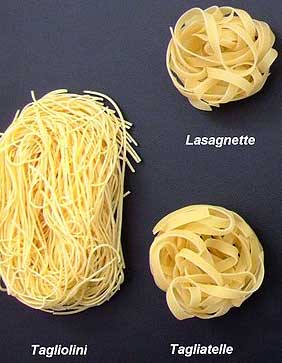
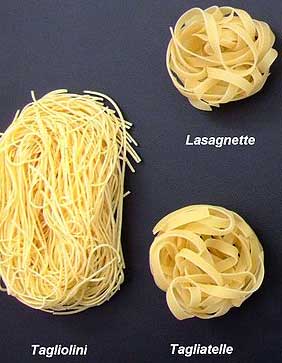
    Come si può governare un paese che ha più di 170 tipi diversi di pasta?

    Italy is divided into 20 regions. Each region and almost every town and village has specific traditions, a specific cuisine and, very often, a specific dialect.
    This colorful background is important to understand the cultural diversity that exists in Italy and that makes Italy such an inventive and flexible, but sometimes hard to manage nation.
    How can you rule a country that has more than 170 different kinds of pasta?

    To practice Italian this week we invite you to play…
    PRACTICE HERE: Italian/English Version

    Para practicar el idioma italiano esta semana te invitamos a jugar…
    PRACTICA AQUÍ: Versión Italiano/Española

    Picture source Wikipedia


    [ad_2]

    Source link

  • 3 steps) – Cyber Italian Blog

    3 steps) – Cyber Italian Blog

    [ad_1]


    Conversare rilassati e senza paura

    Tutti gli studenti vogliono conversare in italiano, ma la velocità della lingua parlata e la difficoltà di capire a volte creano molto stress.
    La conversazione in italiano ti stressa?

    All students want to converse in Italian, but the speed of the spoken language and the difficulty of understanding sometimes create a lot of stress.
    Does conversing in Italian stress you out?

    To practice Italian this week we invite you to listen and test…
    PRACTICE HERE: Italian/English Version

    Para practicar el idioma italiano esta semana te invitamos a escuchar y probar…
    PRACTICA AQUÍ: Versión Italiano/Española

    Picture courtesy of Andrea Piacquadio on pexels


    [ad_2]

    Source link

  • La luna e il passato remoto (The moon and the distant past) – Cyber Italian Blog

    La luna e il passato remoto (The moon and the distant past) – Cyber Italian Blog

    [ad_1]


    “Volere la luna” è un’espressione idiomatica italiana che indica un desiderio impossibile.
    Molti studenti vogliono IMPARARE bene i VERBI italiani e questo fortunatamente È POSSIBILE.
    È solo questione di esercizio.
    Allora, canta con Loredana e pratica il passato remoto!
    Vuoi imparare il passato remoto?

    “Volere la luna” (wanting the moon) is an Italian idiom that indicates an impossible desire.
    Many students want to LEARN the Italian VERBS well and fortunately this IS POSSIBLE.
    It is just a matter of practice.
    So, sing with Loredana and practice the “passato remoto” (distant past)!
    Do you want to learn the “passato remoto”?

    To practice Italian this week we invite you to read, sing and test.
    PRACTICE HERE: Italian/English Version

    Para practicar el idioma italiano esta semana te invitamos a leer, cantar y testar.
    PRACTICA AQUÍ: Versión Italiano/Española

    Picture courtesy of Mo on pexels


    [ad_2]

    Source link

  • 5 consigli per ascoltare il telegiornale italiano (5 tips on listening to Italian news) – Cyber Italian Blog

    5 consigli per ascoltare il telegiornale italiano (5 tips on listening to Italian news) – Cyber Italian Blog

    [ad_1]


    Molti stranieri dicono che il telegiornale italiano è difficile da capire.
    A volte i giornalisti usano parole non comuni. A volte fanno riferimento a fatti precedenti e non li spiegano. A volte la politica e l’economia italiane sono obiettivamente molto complesse (e neanche gli italiani capiscono cosa succede!)
    Allora? Cosa facciamo? Ci rifiutiamo di ascoltare il telegiornale?
    Tu ascolti tutti i giorni le notizie del tuo paese? Ascolti le notizie dell’Italia?

    Many foreigners say that Italian news are hard to understand.
    Sometimes journalists use uncommon words. Sometimes they refer to previous events and they do not explain them. Sometimes Italian politics and economy are objectively very complex (and not even Italians understand what happens!)
    So? What do we do? Do we refuse listening to the news?
    Do you listen every day to the news about your country? Do you listen to the news about Italy?

    To practice Italian this week we invite you to listen…
    PRACTICE HERE: Italian/English Version

    Para practicar el idioma italiano esta semana te invitamos a escuchar…
    PRACTICA AQUÍ: Versión Italiano/Española

    Picture courtesy of Wikimedia.org


    [ad_2]

    Source link

  • Wordle in Portuguese? | Portuguese Language Blog

    Wordle in Portuguese? | Portuguese Language Blog

    [ad_1]

    Fala, pessoal. Tudo bom? If you’ve checked as redes sociais (social media) lately, you probably noticed some of your amigos e parentes (friends and relatives) sharing an enigmatic picture composed of tiny coloful quadrados (squares). I was intrigued myself, until a friend introduced me to the captivating Wordle.

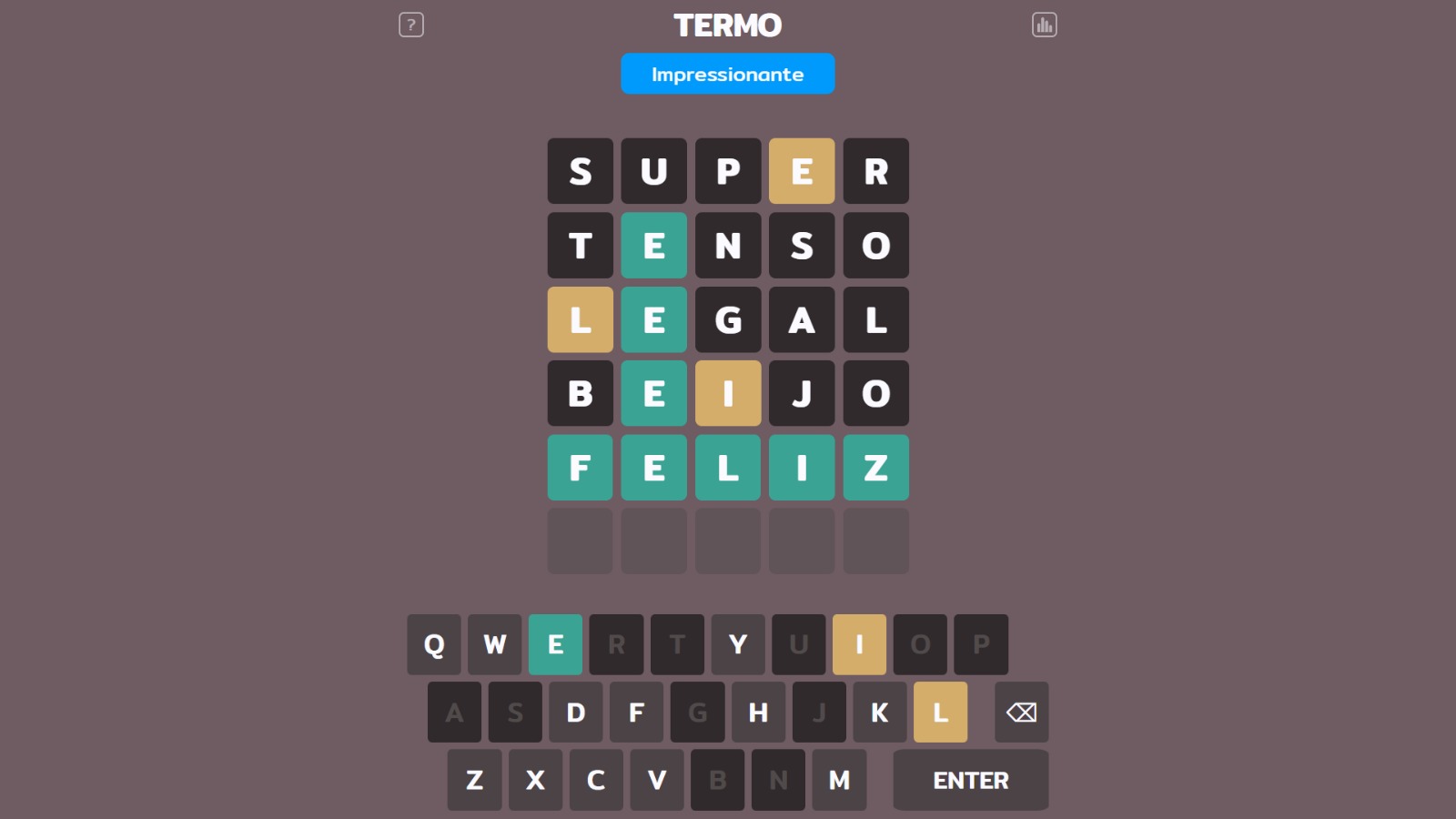
    The story behind it is quite touching, actually. The jogo (game) took the world by storm, although it was originally intended as love gesture designed by engineer Josh Wardle, who wanted to create something unique for his word-game-loving girlfriend. And it was somehow out of passion, in this case for the Portuguese language, that tech developer Fernando Serboncini came up with our very own version, Termo (term in English).
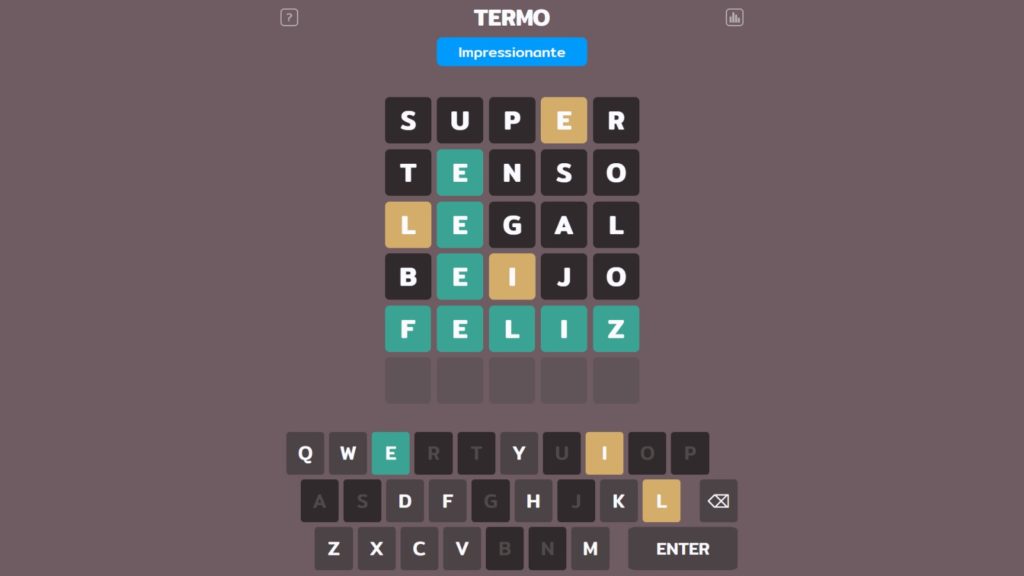
    Fiquei feliz com o meu resultado (Screen capture by author)

    Como jogar | How to play

    Termo works pretty much like Wordle does. Os jogadores (players) must find out a palavra certa (the right word) and they have seis tentativas (six attempts). They start out by typing any 5-letter-word into the grid. When they press ‘enter’, some letras (letters) might change. If they turn amarelo (yellow), it means that the letter belongs in the word, but it is na posição errada (in the wrong position). The ones that turned verde (green) both belong in the word and are in the right position. The cinzas (grey ones) do not belong in the word and should be avoided when you adivinhar (guess) again. So all you have to do is keep on trying until you get a resposta correta (the right answer). Simples assim!

    It’s not just highly viciante (addictive), it’s also very educational too! And if you’re wondering whether your Portuguese nível (level) is good enough to suceed at (or have fun with) this game, maybe you could see it as an opportunity to expand seu conhecimento (your knowledge) by using an online dictionary. I would recommend Michaelis, Priberam or Dicio. And no, it’s not trapaça (cheating) if you’re still learning the language! It can help you conhecer novas palavras (get to know new words) while, well, increasing your chances of ganhar (winning) as well. No harm in that!

    And don’t worry about desperdiçar seu tempo (wasting your time). New words are available only uma vez por dia (once a day), meaning that, no matter how tempting it is, you’ll only be able to play it once and then try again the next day. Feel like practicing Portuguese or testing your skills in the language? Hit the link below:

    Want to learn more about Wordle? Don’t take my word for it! You can read what Gary has to say about it here:

    The Addictive Word Game – Wordle

    And, of course, don’t forget to compartilhar (share) your results!


    [ad_2]

    Source link

  • Le terribili preposizioni (Terrible prepositions) – Cyber Italian Blog

    Le terribili preposizioni (Terrible prepositions) – Cyber Italian Blog

    [ad_1]


    Le preposizioni sono uno degli aspetti più illogici della lingua italiana.
    Perché diciamo “vado IN campagna”, ma diciamo “vado A casa”?
    Perché diciamo “chiamo mia nonna” ma diciamo “telefono A mia nonna”?
    Tu hai problemi con le preposizioni?

    Prepositions are one of the most illogical aspects of the Italian language.
    Why do we say “vado IN campagna” (I go to the countryside), but we say “vado A casa” (I go home)?
    Why do we say “chiamo mia nonna” (I call my grandmother) but we say “telefono A mia nonna” (I phone my grandmother)?
    Do you have problems with prepositions?

    To practice Italian this week we invite you to read and test…
    PRACTICE HERE: Italian/English Version

    Para practicar el idioma italiano esta semana te invitamos a leer y testar…
    PRACTICA AQUÍ: Versión Italiano/Española


    [ad_2]

    Source link

  • Natural disasters in Portuguese | Portuguese Language Blog

    Natural disasters in Portuguese | Portuguese Language Blog

    [ad_1]

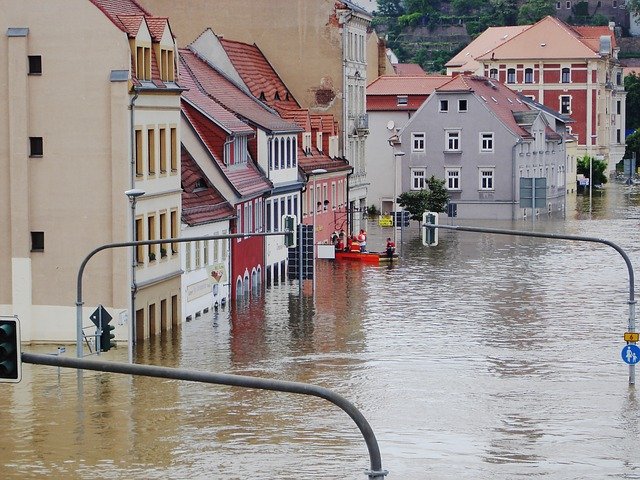
    Fala, pessoal! What’s up, you guys? Como está o clima onde vocês estão? What’s the weather like where you are? Fevereiro (February) means freezing cold temperatures in the northern hemisphere, but scorching quente (hot) weather for those down south, like us Brazilians. At least it’s a break from the raging tempestades (storms) we saw in janeiro (January). And sadly, as far as extreme weather is concerned, the event that influenced me to write this text was an unfortunate one.

    Desastres naturais acontecem no mundo todo (Image by Keli Black from Pixabay)

    You might have heard about the tragic desabamento de rochas (rockfall) in the touristic city of Capitólio last month. The incident made the international headlines, featuring a striking video where you can see a large cliffside rock formation collapsing onto three barcos (boats). Ten people were mortas (killed) and 32 others left feridas (injured) as a result of the impact. Firefighters believe that the continuously heavy chuva (rain) affecting the area might be largely responsible. If you want to read more about it, find further information in Portuguese here or in English here.

    Although recent climatic adversities have been linked to the effects aquecimento global (global warming), desastres naturais (natural disasters) have always been a part of history. Today’s post will expand on this one from 2012 with a few different phenomena and other examples. Vamos nessa!

    drought – seca

    • Israel has been suffering from its longest drought on record | Israel está passando pela sua seca mais longa já registrada.

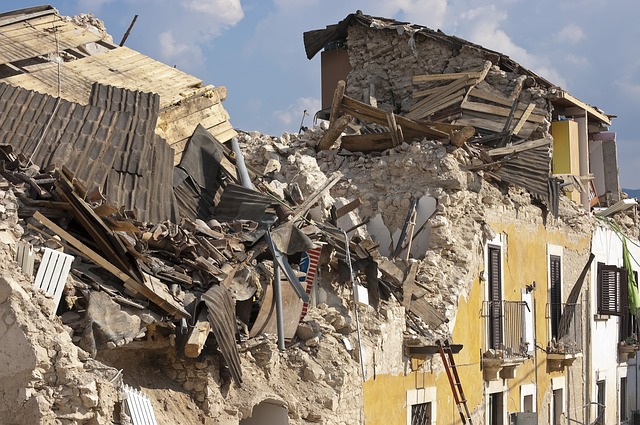
    Terremotos podem ser devastadores (Image by Angelo Giordano from Pixabay)

    hurricane – furacão

    • Hurricane Katrina is said to be one of the worst catastrophes of the century | O furacão Katrina é considerado uma das piores catástrofes do século.

    blizzard – nevasca

    • Over 12 people were killed in the avalanche, caused by a blizzard | Mais de 12 pessoas morreram na avalanche, causada por uma nevasca.

    heatwave – onda de calor

    • The heatwave sweeping across Europe is predicted to reach France next week | A onda de calor passando pela Europa está prevista para chegar à França na próxima semana.

    flood – enchente

    Secas ocorrem em climas quentes (Image by Sven Lachmann from Pixabay)

    •  All meteorologists agree that heavy rain and floods can be expected this season | Todos meteorologistas concordam que chuvas fortes e enchentes podem ser esperadas nesta estação.

    earthquake – terremoto

    • The 2011 earthquake in Japan claimed tens of thousands of lives and over 300 billion in property damage | O terremoto de 2011 no Japão custou dezenas de milhares de vidas e mais de 300 bilhões em danos materiais.

    landslide – deslizamento de terra

    • The school’s roof caved in during the landslide | O telhado da escola desabou durante o deslizamento de terra.

      Chuvas intensas causam enchentes (Image by LucyKaef from Pixabay)

    volcanic eruption – erupção vulcânica

    • A volcanic eruption warning has been issued in Iceland | Um alerta de erupção vulcânica foi emitido na Islândia.

    wildfire – incêndio florestal, queimada

    • A large portion of the area’s native greenery was destroyed in the wildfire | Uma grande parte da vegetação nativa da área foi destruída na queimada.

    hailstorm – tempestade de granizo

    • The southern provinces of Chine were hit by a severe hailstorm, which brought serious losses | As províncias do sul da China foram atingidas por uma forte tempestade de granizo, que trouxe sérias perdas.

    Do you know how to falar sobre o tempo (talk about the weather) in Portuguese? Don’t miss out on these previous posts:

    Talking about the weather in Portuguese

    Weather in Portuguese


    [ad_2]

    Source link

  • Happy Easter!) – Cyber Italian Blog

    Happy Easter!) – Cyber Italian Blog

    [ad_1]


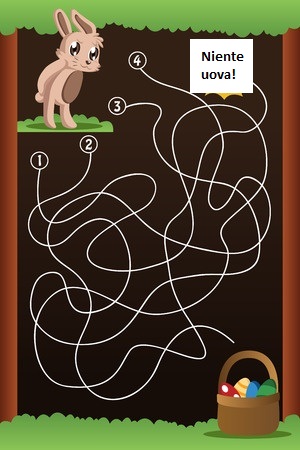
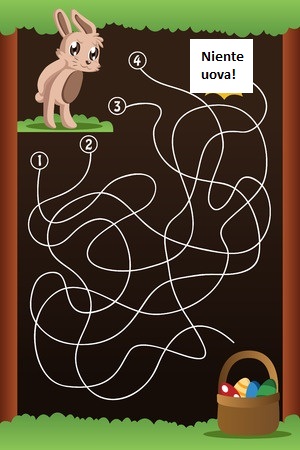
    La Pasqua in Italia è sempre un rituale. Un momento speciale, con processioni religiose, dolci tradizionali e momenti di incontro con la famiglia e gli amici.
    Tu celebri la Pasqua? In ogni caso ti auguriamo Buona Pasqua!

    Easter in Italy is always a ritual. A special moment, with religious processions, traditional cakes and meetings with family and friends.
    Do you celebrate Easter? In any case, we wish you a Happy Easter!

    To practice Italian this week we invite you to play…
    PRACTICE HERE: Italian/English Version

    Para practicar el idioma italiano esta semana te invitamos a jugar…
    PRACTICA AQUÍ: Versión Italiano/Española

    Image source 123rf.com


    [ad_2]

    Source link

  • Ancora terribili preposizioni (Terrible prepositions again) – Cyber Italian Blog

    Ancora terribili preposizioni (Terrible prepositions again) – Cyber Italian Blog

    [ad_1]


    In questa attività rivediamo le preposizioni articolate (preposizioni semplici combinate con l’articolo determinativo). Ma perché gli italiani usano gli articoli?
    Perché gli italiani amano gli articoli.
    Gli italiani non vanno semplicemente fuori a mangiare ”pizza”. Vanno fuori a mangiare ”LA pizza”. È sempre ”pizza” ma l’articolo include tutto ciò che la pizza rappresenta: i pomodori maturi cresciuti sotto il sole caldo, il contadino che ha piantato e raccolto il grano, il pizzaiolo che prepara l’impasto e lo cuoce nel forno a legna…
    Tu ami gli articoli? O ami solo la pizza?

    In this activity we review prepositions combined with definite articles. But why do Italians need to use articles? Because Italians love articles.
    Italians do not just go out and eat ‘pizza’. They go out and eat ‘LA pizza’ (THE pizza). It is still ‘pizza’ but the article includes everything that pizza represents: the ripe tomatoes grown under the warm sun, the farmer who planted and harvested the wheat, ‘il pizzaiolo’, the man who actually prepares the dough and then cooks it in the wood oven…
    Do you love articles? Or do you just love pizza?

    To practice Italian this week we invite you to read and test…
    PRACTICE HERE: Italian/English Version

    Para practicar el idioma italiano esta semana te invitamos a leer y testar…
    PRACTICA AQUÍ: Versión Italiano/Española


    [ad_2]

    Source link