[ad_1]
ALL of your Russian lessons on the go. For the iPhone, iPad and Android.
[ad_2]
Source link
بلاگ
-
Learn Russian with our FREE Innovative Language 101 App!
-

How to Build Vocabulary with Italian Root Words
[ad_1]
Learning Italian doesn’t have to mean memorizing thousands of words from scratch. In fact, there’s a powerful shortcut that can boost your vocabulary dramatically — learning Italian root words. Once you know a root like portare (to carry), you’ll begin to notice how many words are connected to it: trasportare (to carry), riportare (to bring …
The post How to Build Vocabulary with Italian Root Words appeared first on Sos Italian – Learn Italian online.
[ad_2]
Source link -
How to Order at a Restaurant
[ad_1]
Welcome to Can-Do Russian by RussianPod101.com. In this lesson, you’ll learn how to order at a restaurant in Russian. For example, “Excuse me, porridge, please.” is Извините. Кашу, пожалуйста. (Izvinite. Kashu, pozhaluysta.) Miroslav Maslov , is at a restaurant with his wife. He orders porridge. Before you hear the conversation, let’s preview some of its key components. каша (kasha) “porridge” каша каша сейчас (seychas) “right away” сейчас сейчас Let’s listen to the conversation. Извините. Кашу, пожалуйста. (Izvinite. Kashu, pozhaluysta.) Да, сейчас. (Da, seychas.) Once more with the English translation. Извините. Кашу, пожалуйста. (Izvinite. Kashu, pozhaluysta.) “Excuse me, porridge, please.” Да, сейчас. (Da, seychas.) “Yes, right away.” Let’s break down the conversation. Do you remember how Miroslav asks, “Excuse me, porridge, please.” Извините. Кашу, пожалуйста. (Izvinite. Kashu, pozhaluysta.) First is извините (izvinite), meaning, “Excuse me.” Извините . Извините. Here, Miroslav is using the expression to get the waiter’s attention. He uses the formal form since he’s referring to someone he doesn’t know. Note, this expression can also be used as a mild apology, but here Miroslav uses it to get the attention of the waiter who is nearby. Next is кашу (kashu), “porridge.” Кашу . Кашу. Кашу (Kashu) is from the feminine noun каша (kasha), “porridge.” Here кашу is the object of the action, so the final -a has been replaced with -у. Кашу. The grammatical term here is the accusative case. Last is пожалуйста (pozhaluysta), “please.” Пожалуйста . Пожалуйста. All together, it’s Извините. Кашу, пожалуйста. (Izvinite. Kashu, pozhaluysta.) “Excuse me, porridge, please.” Извините. Кашу, пожалуйста. (Izvinite. Kashu, pozhaluysta.) The question can be considered as a shortened form of Извините. Дайте мне кашу, пожалуйста. (Izvinite. Dayte mne kashu, pozhaluysta), “Excuse me, give me porridge, please.” where дайте мне (dayte mne), “give me” is omitted. Let’s take a closer look at the response. Do you remember the waiter’s response, “Yes, right away.” Да, сейчас. (Da, seychas.) First is the expression Да (Da), “yes.” Да . Да. The waiter acknowledges Miroslav by saying, Да (Da). Next is сейчас (seychas), literally, “now,” but it translates as “right away.” Сейчас . Сейчас. All together, it’s Да, сейчас. (Da, seychas.), literally, “Yes, now,” but it translates as “Yes, right away.” Да, сейчас. (Da, seychas.) The pattern is Извините. ITEM, пожалуйста. (Izvinite. ITEM, pozhaluysta.) “Excuse me, ITEM, please.” Извините. ITEM, пожалуйста. To use this pattern, simply replace the ITEM placeholder with the object you are requesting. Note: This pattern requires a noun in the accusative case. Imagine you’d like to order a “fish,” Рыба (Ryba). It’s feminine and singular. The accusative form of рыба (ryba) is рыбу (rybu). The final -а in рыба has been replaced with -у. Рыбу. Рыбу. Say “Excuse me, a fish, please.” Ready? Извините. Рыбу, пожалуйста. (Izvinite. Rybu, pozhaluysta.) “Excuse me, a fish, please.” Извините. Рыбу, пожалуйста. (Izvinite. Rybu, pozhaluysta.) In Russian, the accusative case is usually used to indicate that something is the object of an action (a direct object). The general rules for forming the accusative case of singular nouns are as follows. Feminine nouns mostly end in -a or -я. For nouns that end in -а, change it to -у; For example, Рыба (Ryba), “fish” becomes рыбу (rybu). For nouns that ends in -я, change it to -ю; Семья (Sem’ya), “family” becomes семью (sem’yu). For nouns that end in ь, no change. Любовь (Lyubov’), “love” stays любовь. There are two groups of masculine nouns: animate or inanimate. For animate nouns that end in a consonant, add -а. For example, омар (omar), “lobster” becomes омарa (omara) in the accusative. For animate nouns that end in й and -ь, change it to -я; Учитель (Uchitel’), “teacher” becomes учителя (uchitelya) in the accusative. In the case of inanimate nouns, there is no change. Чек (Chek), “check” is also чек in the accusative. Neuter nouns remain unchanged. For example, Меню (Menyu), “menu” is also меню in the accusative. Again, the key pattern is Извините. ITEM, пожалуйста. (Izvinite. ITEM, pozhaluysta.) “Excuse me, ITEM, please.” Извините. ITEM, пожалуйста. Let’s look at some examples. Listen and repeat or speak along with the native speakers. Извините. Кашу, пожалуйста. (Izvinite. Kashu, pozhaluysta.) “Excuse me, porridge, please.” Извините. Кашу, пожалуйста. (Izvinite. Kashu, pozhaluysta.) Извините. Рыбу, пожалуйста. (Izvinite. Rybu, pozhaluysta.) “Excuse me, a fish, please.” Извините. Рыбу, пожалуйста. (Izvinite. Rybu, pozhaluysta.) Извините. Меню, пожалуйста. (Izvinite. Menyu, pozhaluysta.) “Excuse me, the menu, please.” Извините. Меню, пожалуйста. (Izvinite. Menyu, pozhaluysta.) Извините. Чек, пожалуйста. (Izvinite. Chek, pozhaluysta.) “Excuse me, the check, please.” Извините. Чек, пожалуйста. (Izvinite. Chek, pozhaluysta.) Извините. Омара, пожалуйста. (Izvinite. Omara, pozhaluysta.) “Excuse me, a lobster, please.” Извините. Омара, пожалуйста. (Izvinite. Omara, pozhaluysta.) Извините. Это, пожалуйста. (Izvinite. Eto, pozhaluysta.) “Excuse me, this, please.” Извините. Это, пожалуйста. (Izvinite. Eto, pozhaluysta.) Did you notice how the native speaker replaced a noun with the demonstrative pronoun это (eto), “this?” Извините. Это, пожалуйста. (Izvinite. Eto, pozhaluysta.) “Excuse me, this, please.” When referring to something that is located near you, and you don’t know its name, you can point to it and say Извините. Это, пожалуйста. (Izvinite. Eto, pozhaluysta.) “Excuse me, this, please.” You should be aware of this shortcut, but for this lesson, we’ll use the pattern Извините. ITEM, пожалуйста. (Izvinite. ITEM, pozhaluysta.) “Excuse me, ITEM, please.” Извините. ITEM, пожалуйста. Let’s review the new words. каша (kasha) “porridge” каша каша рыба (ryba) “fish” рыба рыба меню (menyu) “menu” меню меню чек (chek) “check” чек чек омар (omar) “lobster” омар омар это (eto) “this” это это Let’s review. Respond to the prompts by speaking aloud. Then repeat after the native speaker, focusing on pronunciation. Ready? Do you remember how to say “please?” пожалуйста (pozhaluysta) пожалуйста (pozhaluysta) And how to say “porridge” when it is the object of an action? кашу (kashu) кашу (kashu) Do you remember how Miroslav Maslov asks, “Excuse me, porridge, please.” Извините. Кашу, пожалуйста. (Izvinite. Kashu, pozhaluysta.) Извините. Кашу, пожалуйста. (Izvinite. Kashu, pozhaluysta.) Do you remember how to say “right away?” сейчас (seychas) сейчас (seychas) And how to say “yes?” да (da) да (da) Do you remember how the waiter, says, “Yes, right away.” Да, сейчас. (Da, seychas.) Да, сейчас. (Da, seychas.) Do you remember how to say “fish” when it’s the object of an action? рыбу (rybu) рыбу (rybu) And how to say “this?” это (eto) это (eto) Do you remember how to say “check” when it’s the object of an action? чек (chek) чек (chek) Let’s practice. Imagine you’re Milena , and you’re at a restaurant. Ask for “fish,” or рыбу (rybu). Ready? Извините. Рыбу, пожалуйста. (Izvinite. Rybu, pozhaluysta.) Да, сейчас. (Da, seychas.) Listen again and repeat. Извините. Рыбу, пожалуйста. (Izvinite. Rybu, pozhaluysta.) Извините. Рыбу, пожалуйста. (Izvinite. Rybu, pozhaluysta.) Let’s try another. Now, get the waiter’s attention, and ask for “this,” or это (eto). Ready? Извините. Это, пожалуйста. (Izvinite. Eto, pozhaluysta.) Да, сейчас. (Da, seychas.) Listen again and repeat. Извините. Это, пожалуйста. (Izvinite. Eto, pozhaluysta.) Извините. Это, пожалуйста. (Izvinite. Eto, pozhaluysta.) Let’s try one more. Imagine you’re Miroslav Maslov , and you’d like the check, or чек (chek). Ready? Извините. Чек, пожалуйста. (Izvinite. Chek, pozhaluysta.) Да, сейчас. (Da, seychas.) Listen again and repeat. Извините. Чек, пожалуйста. (Izvinite. Chek, pozhaluysta.) Извините. Чек, пожалуйста. (Izvinite. Chek, pozhaluysta.) In this lesson, you learned how to order at a restaurant in Russian, an essential skill for dining at a restaurant. Well done! This is the end of this lesson. Remember, these Can Do lessons are about learning practical language skills. What’s next? Show us what you can do. When you’re ready, take your assessment. You can take it again and again, so try anytime you like. Our teachers will assess it, and give you your results. Keep practicing — and move on to the next lesson!
[ad_2]
Source link -
How to Learn Russian with our FREE Innovative Language 101 App!
[ad_1]
ALL of your Russian lessons on the go. For the iPhone, iPad and Android.
[ad_2]
Source link -

Quanto ti spaventa la grammatica? Aggettivi e verbi (How scary can the grammar be? Adjectives and verbs) – Cyber Italian Blog
[ad_1]

How scary can the grammar be? Alcuni studenti non amano la grammatica perché la trovano difficile da capire.
Ma la grammatica è solo un mezzo che ci aiuta a parlare, nient’altro.
Ad esempio, conoscere la differenza fra aggettivi e verbi ci aiuta a creare una frase italiana comprensibile.
Tu conosci la differenza fra aggettivi e verbi?Some students don’t like grammar because they find it hard to understand.
But grammar is just a tool that helps us speak, nothing more.
For example, knowing the difference between adjectives and verbs helps us build a sentence in Italian that makes sense.
Do you know the difference between adjectives and verbs?
[ad_2]
Source link -
Verbi utili per viaggiare in Italia (Useful verbs for traveling in Italy) – Cyber Italian Blog
[ad_1]
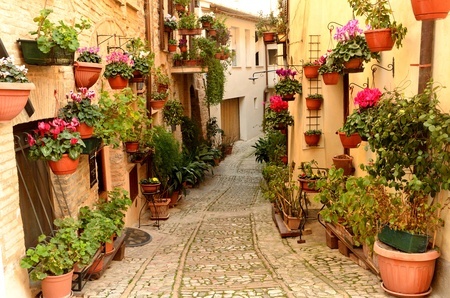
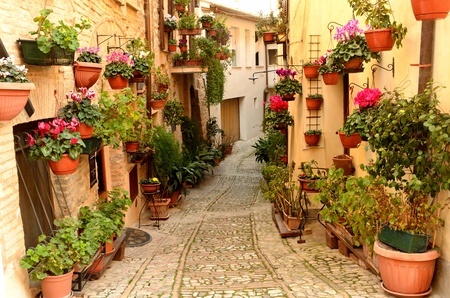
A village in Umbria, Italy.
“Camminare, vedere, sentire” are useful verbs in this situation.I verbi sono “parole d’azione” perché indicano quale azione avviene (o è avvenuta o avverrà).
In italiano i verbi devono essere “coniugati” (cambiano il finale a seconda del soggetto a cui si riferiscono).
Tu pratichi le coniugazioni dei verbi italiani?
Sai quali sono i verbi più utili per viaggiare in Italia?Verbs are ‘action words’ as they indicate what action is happening, (or happened, or will happen).
Italian verbs have to be “conjugated” (they change their ending depending on the subject to whom they refer).
Do you practice Italian verb conjugations?
Do you know which are the most useful verbs for traveling in Italy?To practice Italian this week we invite you to play…
PRACTICE HERE: Italian/English VersionPicture source 123rf
[ad_2]
Source link -
Core Words: How to Say “Cash,” “Discount,” and More!
[ad_1]
Hi everybody, my name is Katya. Welcome to the 2000 Core Russian Words and Phrases video series! Each lesson will help you learn new words, practice, and review what you’ve learned. Ok! Let’s get started! First is… WORD 1 (NORMAL SPEED) куб (kub) (NORMAL SPEED) “cube” (NORMAL SPEED) куб (SLOW) куб (NORMAL SPEED) cube (NORMAL SPEED) ледяной куб (ledyanoy kub) (NORMAL SPEED) “ice cube” (SLOW) ледяной куб WORD 2 (NORMAL SPEED) подарок (podarok) (NORMAL SPEED) “present” (NORMAL SPEED) подарок (SLOW) подарок (NORMAL SPEED) present (NORMAL SPEED) большой подарок (bol’shoy podarok) (NORMAL SPEED) “big present” (SLOW) большой подарок WORD 3 (NORMAL SPEED) клиент (kliyent) (NORMAL SPEED) “customer” (NORMAL SPEED) клиент (SLOW) клиент (NORMAL SPEED) customer (NORMAL SPEED) важный клиент (vazhnyy kliyent) (NORMAL SPEED) “important customer” (SLOW) важный клиент WORD 4 (NORMAL SPEED) стоимость (stoimost’) (NORMAL SPEED) “cost” (NORMAL SPEED) стоимость (SLOW) стоимость (NORMAL SPEED) cost (NORMAL SPEED) стоимость доставки (stoimost’ dostavki) (NORMAL SPEED) “delivery cost” (SLOW) стоимость доставки WORD 5 (NORMAL SPEED) скидка (skidka) (NORMAL SPEED) “discount” (NORMAL SPEED) скидка (SLOW) скидка (NORMAL SPEED) discount (NORMAL SPEED) большая скидка (bol’shaya skidka) (NORMAL SPEED) “big discount” (SLOW) большая скидка WORD 6 (NORMAL SPEED) наличные (nalichnyye) (NORMAL SPEED) “cash” (NORMAL SPEED) наличные (SLOW) наличные (NORMAL SPEED) cash (NORMAL SPEED) расплатиться наличными (rasplatit’sya nalichnymi) (NORMAL SPEED) “pay cash” (SLOW) расплатиться наличными WORD 7 (NORMAL SPEED) тратить деньги (tratit’ den’gi) (NORMAL SPEED) “spend money” (NORMAL SPEED) тратить деньги (SLOW) тратить деньги (NORMAL SPEED) spend money (NORMAL SPEED) тратить слишком много денег (tratit’ slishkom mnogo deneg) (NORMAL SPEED) “spend too much money” (SLOW) тратить слишком много денег WORD 8 (NORMAL SPEED) магазин одежды (magazin odezhdy) (NORMAL SPEED) “clothing store” (NORMAL SPEED) магазин одежды (SLOW) магазин одежды (NORMAL SPEED) clothing store (NORMAL SPEED) Я купил новую рубашку в магазине одежды. (Ya kupil novuyu rubashku v magazine odezhdy.) (NORMAL SPEED) “I bought a new shirt at the clothing store.” (SLOW) Я купил новую рубашку в магазине одежды. WORD 9 (NORMAL SPEED) универмаг (univermag) (NORMAL SPEED) “department store” (NORMAL SPEED) универмаг (SLOW) универмаг (NORMAL SPEED) department store (NORMAL SPEED) Вы можете найти что угодно в универмаге. (Vy mozhete nayti chto ugodno v univermage.) (NORMAL SPEED) “You can find anything at a department store.” (SLOW) Вы можете найти что угодно в универмаге. WORD 10 (NORMAL SPEED) бутик (butik) (NORMAL SPEED) “boutique” (NORMAL SPEED) бутик (SLOW) бутик (NORMAL SPEED) boutique (NORMAL SPEED) бутик платьев (butik plat’yev) (NORMAL SPEED) “dress boutique” (SLOW) бутик платьев PRACTICE/REVIEW Let’s review. Respond to the prompts by speaking aloud. First, you will hear a word or phrase in English. Respond in Russian, then repeat after me, focusing on pronunciation. Ready? (Do you remember how to say “cube?” Review 1) (3) (2) (1) куб (1) куб (And how to say “present?” Review 2) (3) (2) (1) подарок (1) подарок (What about “customer?” Review 3) (3) (2) (1) клиент (1) клиент (Do you remember how to say “cost?” Review 4) (3) (2) (1) стоимость (1) стоимость (Let’s try “discount!” Review 5) (3) (2) (1) скидка (1) скидка (What about “cash?” Review 6) (3) (2) (1) наличные (1) наличные (Now, let’s see if you remember how to say “spend money!” Review 7) (3) (2) (1) тратить деньги (1) тратить деньги (Another one! What about “clothing store?” Review 8) (3) (2) (1) магазин одежды (1) магазин одежды (Do you remember how to say “department store?” Review 9) (3) (2) (1) универмаг (1) универмаг (And finally, do you remember how to say “boutique?” Review 10) (3) (2) (1) бутик (1) бутик Well done! See you next time! До свидания. (Do svidaniya.)
[ad_2]
Source link -

Core Words: How to Say “Thirsty,” “Butter,” and More!
[ad_1]
Hi everybody, my name is Seda. Welcome to the 2000 Core Turkish Words and Phrases video series! Each lesson will help you learn new words, practice, and review what you’ve learned. Ok! Let’s get started! First is… WORD 1 (NORMAL SPEED) kamera (NORMAL SPEED) “camera” (NORMAL SPEED) kamera (SLOW) kamera (NORMAL SPEED) “camera” (NORMAL SPEED) Buradaki kameralar arasında en pahalısı bu model. (NORMAL SPEED) “Among the cameras here, this model is the most expensive.” (SLOW) Buradaki kameralar arasında en pahalısı bu model. WORD 2 (NORMAL SPEED) tadını çıkartmak (NORMAL SPEED) “enjoy” (NORMAL SPEED) tadını çıkartmak (SLOW) tadını çıkartmak (NORMAL SPEED) “enjoy” (NORMAL SPEED) Güzel havanın tadını çıkart! (NORMAL SPEED) “Enjoy the fine weather!” (SLOW) Güzel havanın tadını çıkart! WORD 3 (NORMAL SPEED) aç (NORMAL SPEED) “hungry” (NORMAL SPEED) aç (SLOW) aç (NORMAL SPEED) “hungry” (NORMAL SPEED) Oğlan aç. (NORMAL SPEED) “The boy is hungry.” (SLOW) Oğlan aç. WORD 4 (NORMAL SPEED) susamış (NORMAL SPEED) “thirsty” (NORMAL SPEED) susamış (SLOW) susamış (NORMAL SPEED) “thirsty” (NORMAL SPEED) Susamış köpek havuzdan su içiyor. (NORMAL SPEED) “The thirsty dog is drinking from the pool.” (SLOW) Susamış köpek havuzdan su içiyor. WORD 5 (NORMAL SPEED) sos (NORMAL SPEED) “condiment” (NORMAL SPEED) sos (SLOW) sos (NORMAL SPEED) “condiment” (NORMAL SPEED) Soslar genellikle restoranlarda masada bulunur. (NORMAL SPEED) “Condiments are often available on the table in restaurants.” (SLOW) Soslar genellikle restoranlarda masada bulunur. WORD 6 (NORMAL SPEED) tuz (NORMAL SPEED) “salt” (NORMAL SPEED) tuz (SLOW) tuz (NORMAL SPEED) “salt” (NORMAL SPEED) deniz tuzu (NORMAL SPEED) “sea salt” (SLOW) deniz tuzu WORD 7 (NORMAL SPEED) şeker (NORMAL SPEED) “sugar” (NORMAL SPEED) şeker (SLOW) şeker (NORMAL SPEED) “sugar” (NORMAL SPEED) Çoğu şeker şeker kamışı ya da şeker pancarından yapılır ve doğal tatlandırıcıdır. (NORMAL SPEED) “Most sugar comes from sugar cane or beets and is a natural sweetener.” (SLOW) Çoğu şeker şeker kamışı ya da şeker pancarından yapılır ve doğal tatlandırıcıdır. WORD 8 (NORMAL SPEED) sirke (NORMAL SPEED) “vinegar” (NORMAL SPEED) sirke (SLOW) sirke (NORMAL SPEED) “vinegar” (NORMAL SPEED) Siyah sirke mayalanan ve yaşlanan tohumlardan yapılır. (NORMAL SPEED) “Black vinegar is made from fermenting and aging grain.” (SLOW) Siyah sirke mayalanan ve yaşlanan tohumlardan yapılır. WORD 9 (NORMAL SPEED) tereyağı (NORMAL SPEED) “butter” (NORMAL SPEED) tereyağı (SLOW) tereyağı (NORMAL SPEED) “butter” (NORMAL SPEED) Süt ürünleri peyniri, yoğurdu, tereyağı ve kremayı kapsar. (NORMAL SPEED) “Milk products include cheese, yogurt, butter, and cream.” (SLOW) Süt ürünleri peyniri, yoğurdu, tereyağı ve kremayı kapsar. WORD 10 (NORMAL SPEED) Acı sos (NORMAL SPEED) “hot sauce” (NORMAL SPEED) Acı sos (SLOW) Acı sos (NORMAL SPEED) “hot sauce” (NORMAL SPEED) en acı sos (NORMAL SPEED) “the hottest hot sauce” (SLOW) en acı sos PRACTICE/REVIEW Let’s review. Respond to the prompts by speaking aloud. First, you will hear a word or phrase in English. Respond in Turkish, then repeat after me, focusing on pronunciation. Ready? (Do you remember how to say “camera?” Review 1) (3) (2) (1) kamera (1) kamera (And how to say “enjoy?” Review 2) (3) (2) (1) tadını çıkartmak (1) tadını çıkartmak (What about “hungry?” Review 3) (3) (2) (1) aç (1) aç (Do you remember how to say “thirsty?” Review 4) (3) (2) (1) susamış (1) susamış (Let’s try “condiment!” Review 5) (3) (2) (1) sos (1) sos (What about “salt?” Review 6) (3) (2) (1) tuz (1) tuz (Now, let’s see if you remember how to say “sugar!” Review 7) (3) (2) (1) şeker (1) şeker (Another one! What about “vinegar?” Review 8) (3) (2) (1) sirke (1) sirke (Do you remember how to say “butter?” Review 9) (3) (2) (1) tereyağı (1) tereyağı (And finally, do you remember how to say “hot sauce?” Review 10) (3) (2) (1) Acı sos (1) Acı sos Well done! See you next time! Güle güle.
[ad_2]
Source link -

Italian Flirting Culture: Understanding Romance the Italian Way
[ad_1]
When you think of Italy, romance probably comes to mind almost immediately. From passionate declarations of love in classic films to the melodic sound of Italian being whispered in your ear, the country has built a global reputation as the ultimate destination for love. But what’s the reality behind Italian flirting culture? Is romance truly …
The post Italian Flirting Culture: Understanding Romance the Italian Way appeared first on Sos Italian – Learn Italian online.
[ad_2]
Source link -

5 грузинских блюд – Русский Подкаст
[ad_1]
Шон
Слушаю русский подкаст, чтобы изучаю новые слова и предложения. Большое спасибо за работу!
Sam
Я просто хотел сказать огромное спасибо. Сначала я ничего не мог понять. Я использовал твой подкасты как мост, и сейчас я могу понимать контент для носителей языка. Я мог бы сдался, если бы не нашёл твои подкасты))
Kobi
Simply the best Russian learning podcast, as it’s 100% in Russian, with a lot of redundant explanations (in the best sense), collect the basics somewhere, and use this to push yourself from Beginner level comprehension, to a communicative intermediate learner.
Barbara
Спасибо большое за то, что Вы делаете для любители русского языка и русской культуры.
Bettina
la meilleure forme d’apprentissage de tout le web!
Neeka
What a wonderful podcast, clear pronunciation, at a medium yet natural pace, Tatiana introduces new words by describing them in Russian instead of translating them into English. I love this Russian podcast, its all in Russian!
Leila
Я большой фанат не только вашего замечательного подкаста, но и всего, что вы делаете, чтобы помогать изучающих и преподающим русский язык делать это еще лучше :).
Kamal
Все видео и подкасты мне нравятся. Удачи!
Верика
Дорогая Татьяна! Мне очень нравится, как ты объяснишь трудные и длинные русские слова.
James
Большое спасибо за твою работу. Мой русский язык улучшается каждый день. До твоего подкаста, я не мог слушать русский язык очень хорошо. Когда я говорю с людьми, нам было нужно разговаривать медленно, теперь я понимаю моих друзей хорошо.
[ad_2]
Source link