نویسنده: AliBina

  • Talking About an Injury — Video Conversation

    Talking About an Injury — Video Conversation

    [ad_1]

    Welcome to Daily Russian Conversations. In this series, you’ll learn practical Russian phrases for use on social media and in everyday life. Pастянул лодыжку (Rastyanul ladyshku) Боевая травма? (Bayevaya travma?) Может в больницу? (Mozhet, v bal’nitsu?) Это полуболь, у тебя еще есть вторая нога. (Eta polubol’, u tebya yeshche yest’ ftaraya naga.) Боль в ноге делает мир мрачным. (Bol’ v nage delayet mir mrachnym.) Let’s review the key vocabulary. мир (mir) world, peace травма (travma) injury лодыжка (lodizhka) ankle больница (bol’nitsa) hospital нога (noga) leg мрачный (mrachnyi, nmrachnyy) dark, gloomy, bleak боевой (bayevoy) battle; fighting боль (bol’) pain Let’s review the key vocabulary. Do you remember how to say ‘world, peace’? мир (mir) And how to say ‘injury’? травма (travma) What about ‘ankle’? лодыжка (lodizhka) Let’s try ‘hospital’! больница (bol’nitsa) Now let’s see if you remember how to say ‘leg’! нога (noga) Another one. What about ‘dark, gloomy, bleak’? мрачный (mrachnyi, nmrachnyy) Do you remember how to say ‘battle; fighting’? боевой (bayevoy) What about ‘pain’? боль (bol’) Let’s practice. After the sound, read the phrases out loud. Ready? Pастянул лодыжку (Rastyanul ladyshku) Боевая травма? (Bayevaya travma?) Может в больницу? (Mozhet, v bal’nitsu?) Это полуболь, у тебя еще есть вторая нога. (Eta polubol’, u tebya yeshche yest’ ftaraya naga.) Боль в ноге делает мир мрачным. (Bol’ v nage delayet mir mrachnym.)


    [ad_2]

    Source link

  • Eight Poetic Italian Words You’ll Fall in Love With

    Eight Poetic Italian Words You’ll Fall in Love With

    [ad_1]

    Italian is filled with words that express emotions, images, and states of being. These are more than just vocabulary items—they’re little windows into the soul of Italian culture. In this article, I’ll explore eight poetic Italian words that carry beauty, emotion, and history. If you’re learning the language or simply appreciate its expressive power, these …

    The post Eight Poetic Italian Words You’ll Fall in Love With appeared first on Sos Italian – Learn Italian online.

    [ad_2]

    Source link
  • Core Words: How to Say “Cold Medicine,” “Coffee Table,” and More!

    Core Words: How to Say “Cold Medicine,” “Coffee Table,” and More!

    [ad_1]

    Hi everybody, my name is Thomas. Welcome to the 2000 Core Dutch Words and Phrases video series! Each lesson will help you learn new words, practice, and review what you’ve learned. Ok! Let’s get started! First is… WORD 1 (NORMAL SPEED) verkoudheidsmedicijn (NORMAL SPEED) “cold medicine” (NORMAL SPEED) verkoudheidsmedicijn (SLOW) verkoudheidsmedicijn (NORMAL SPEED) “cold medicine” (NORMAL SPEED) een dosis verkoudheidsmedicijn (NORMAL SPEED) “serving of cold medicine” (SLOW) een dosis verkoudheidsmedicijn WORD 2 (NORMAL SPEED) voetsteun (NORMAL SPEED) “footrest” (NORMAL SPEED) voetsteun (SLOW) voetsteun (NORMAL SPEED) “footrest” (NORMAL SPEED) Ik rust mijn benen op de voetsteun voor mijn stoel. (NORMAL SPEED) “I rest my legs on the footrest sitting in front of my chair.” (SLOW) Ik rust mijn benen op de voetsteun voor mijn stoel. WORD 3 (NORMAL SPEED) nachtkastje (NORMAL SPEED) “nightstand” (NORMAL SPEED) nachtkastje (SLOW) nachtkastje (NORMAL SPEED) “nightstand” (NORMAL SPEED) Ik heb een foto van mijn vrouw op mijn nachtkastje. (NORMAL SPEED) “I keep a picture of my wife on my nightstand.” (SLOW) Ik heb een foto van mijn vrouw op mijn nachtkastje. WORD 4 (NORMAL SPEED) koffietafel (NORMAL SPEED) “coffee table” (NORMAL SPEED) koffietafel (SLOW) koffietafel (NORMAL SPEED) “coffee table” (NORMAL SPEED) Hou je voeten van de koffietafel alsjeblieft. (NORMAL SPEED) “Please keep your feet off the coffee table.” (SLOW) Hou je voeten van de koffietafel alsjeblieft. WORD 5 (NORMAL SPEED) bank (NORMAL SPEED) “sofa” (NORMAL SPEED) bank (SLOW) bank (NORMAL SPEED) “sofa” (NORMAL SPEED) woonkamerbank (NORMAL SPEED) “living room sofa” (SLOW) woonkamerbank WORD 6 (NORMAL SPEED) stoel (NORMAL SPEED) “chair” (NORMAL SPEED) stoel (SLOW) stoel (NORMAL SPEED) “chair” (NORMAL SPEED) Wanneer je in een comfortable stoel zit, studeer je makkelijker. (NORMAL SPEED) “It is easier to study when you are sitting in a comfortable chair.” (SLOW) Wanneer je in een comfortable stoel zit, studeer je makkelijker. WORD 7 (NORMAL SPEED) eettafel (NORMAL SPEED) “dinner table” (NORMAL SPEED) eettafel (SLOW) eettafel (NORMAL SPEED) “dinner table” (NORMAL SPEED) De eettafel is gedekt. (NORMAL SPEED) “The dinner table is set.” (SLOW) De eettafel is gedekt. WORD 8 (NORMAL SPEED) tafel (NORMAL SPEED) “table” (NORMAL SPEED) tafel (SLOW) tafel (NORMAL SPEED) “table” (NORMAL SPEED) Aan de keukentafel doen we ons huiswerk en spelen we spelletjes. (NORMAL SPEED) “We do homework and play games at the kitchen table.” (SLOW) Aan de keukentafel doen we ons huiswerk en spelen we spelletjes. WORD 9 (NORMAL SPEED) studeren (NORMAL SPEED) “study” (NORMAL SPEED) studeren (SLOW) studeren (NORMAL SPEED) “study” (NORMAL SPEED) samen studeren (NORMAL SPEED) “study together” (SLOW) samen studeren WORD 10 (NORMAL SPEED) kelder (NORMAL SPEED) “basement” (NORMAL SPEED) kelder (SLOW) kelder (NORMAL SPEED) “basement” (NORMAL SPEED) donkere kelder (NORMAL SPEED) “dark basement” (SLOW) donkere kelder PRACTICE/REVIEW Let’s review. Respond to the prompts by speaking aloud. First, you will hear a word or phrase in English. Respond in Dutch, then repeat after me, focusing on pronunciation. Ready? (Do you remember how to say “cold medicine?” Review 1) (3) (2) (1) verkoudheidsmedicijn (1) verkoudheidsmedicijn (And how to say “footrest?” Review 2) (3) (2) (1) voetsteun (1) voetsteun (What about “nightstand?” Review 3) (3) (2) (1) nachtkastje (1) nachtkastje (Do you remember how to say “coffee table?” Review 4) (3) (2) (1) koffietafel (1) koffietafel (Let’s try “sofa!” Review 5) (3) (2) (1) bank (1) bank (What about “chair?” Review 6) (3) (2) (1) stoel (1) stoel (Now, let’s see if you remember how to say “dinner table!” Review 7) (3) (2) (1) eettafel (1) eettafel (Another one! What about “table?” Review 8) (3) (2) (1) tafel (1) tafel (Do you remember how to say “study?” Review 9) (3) (2) (1) studeren (1) studeren (And finally, do you remember how to say “basement?” Review 10) (3) (2) (1) kelder (1) kelder Well done! See you next time! Tot ziens.


    [ad_2]

    Source link

  • Saying Where You’re From in Russian – Review

    Saying Where You’re From in Russian – Review

    [ad_1]

    Do you remember how to say “I’m from Moscow”? Я из Москвы. (Ya iz Moskvy). Я из Москвы. (Ya iz Moskvy). And how about the phrase “I’m from…”? Я из… (Ya iz…) Я из… (Ya iz…) Do you remember how to say “I’m from Saint Petersburg.”? Я из Санкт-Петербурга. (Ya iz Sankt-Peterburga). Я из Санкт-Петербурга. (Ya iz Sankt-Peterburga). And how to say “I’m from Siberia”? Я из Сибири. (Ya iz Sibiri). Я из Сибири. (Ya iz Sibiri). Do you remember how to say “I’m from Vladivostok”? Я из Владивостока. (Ya iz Vladivostoka) Я из Владивостока. (Ya iz Vladivostoka) And do you remember how to say “the Volga region”? Волга (Volga) Волга (Volga) Do you remember how to say “the Urals”? Урал (Ural) Урал (Ural) And do you remember how to say “Siberia”? Сибирь (Sibir’) Сибирь (Sibir’) Last, do you remember how to say “Far East”? Дальний Восток (Dal’niy Vostok). Дальний Восток (Dal’niy Vostok). Well done! In this lesson, you learned how to say where you’re from in Russian. Thanks for watching! I’m Anastasia and I will see you again on RussianPod101.com. До скорой встречи! Пока-пока! (Do skoroy vstrechi! Poka-Poka!)


    [ad_2]

    Source link

  • Buon Ferragosto! La festa italiana di metà Agosto (Happy Ferragosto! Italy’s mid-August holiday) – Cyber Italian Blog

    Buon Ferragosto! La festa italiana di metà Agosto (Happy Ferragosto! Italy’s mid-August holiday) – Cyber Italian Blog

    [ad_1]


    Se ti trovi in Italia il 15 agosto, non stupirti se le strade sembrano insolitamente tranquille e le spiagge sono piene di vita: è Ferragosto.
    A Ferragosto, gli italiani vanno in vacanza e si scambiano gli auguri di “Buon Ferragosto”.
    Chi non ama la folla evita di recarsi in posti turistici gettonati come spiagge o località di montagna. Preferisce invece scegliere città d’arte, navigare in mare aperto o intraprendere escursioni in montagna più impegnative e appartate. O starsene tranquillamente a casa propria.
    Qual è il tuo Ferragosto ideale?
    Immergerti nel fermento di un’estate vivace o cercare un piccolo rifugio tranquillo?

    If you’re in Italy on August 15th, don’t be surprised if the streets seem unusually quiet and the beaches are bursting with life – that’s Ferragosto.
    On Ferragosto, Italians take time off and exchange “Buon Ferragosto” greetings.
    Those who don’t enjoy crowds avoid traveling to popular tourist spots like beaches or mountain resorts. Instead, they might choose art cities, open-sea sailing, or more challenging and secluded mountain hikes. Or just chill at home.

    What’s your perfect Ferragosto?
    Diving into the buzz of a lively summer, or seeking out a quiet little hideaway?

    To practice Italian this week we invite you to read…
    PRACTICE HERE: Italian/English Version

    Para practicar el idioma italiano esta semana te invitamos a leer…
    PRACTICA AQUÍ: Versión Italiano/Española

    (Image courtesy of Mattia Sacco on pexels)


    [ad_2]

    Source link

  • How to Learn Turkish Faster & Easier with Structured Audio/Video Lessons

    [ad_1]

    If you’re learning the language but not improving because the apps you use teach random words, and YouTube videos are too disconnected, then you’ll want structured lessons that build on each other. And that’s how our lessons and learning system work, and you’ll see how in just a bit. But first, if you don’t yet have access to our language learning system, sign up for a free lifetime account right now. Just click the link in the description to get your free lifetime account. How to get a structured path of lessons. First things first is, where do you get the lessons? The moment you sign up for a free lifetime account, you get access to all the lessons. Once you’re in and set your level, we’ll give you a pathway of lessons that match your level. It’s all laid out for you to follow from lesson one to two to three until the end. You’ll see lesson one on your dashboard, so click go to lesson to get started. And each lesson is about three to 15 minutes, so you can finish one anytime you have a few spare minutes. Since the lessons are audio and video format, you can just listen or watch, which makes it way easier to consume than reading a textbook, and you can listen on the go with our app, Innovative Language Learning. How do the lessons work? So you might be wondering, how do lessons actually work? Well, it’s super straightforward, and it’s all designed to help you learn as quickly and naturally as possible. All you have to do is press play on a lesson. All lessons are hosted by real teachers and native speakers, so you’re getting authentic language right from the start. First, you’ll hear a conversation between two native speakers. Then we’ll play it again, this time slowed down and translated for you. After that, our teachers explain the main grammar point, the words, and any cultural nuances that pop up. Finally, you’ll hear the conversation one last time, but now you’ll actually understand it. When you’re done, we’ll guide you to the next lesson in the pathway, which will build on what you just learned. So you start with basics, like greetings in lesson one. Then in lesson two, you’re introducing yourself. By lesson three, you’re asking how someone is, and all the way from beginner to advanced. Extra tricks for learning faster. Now there are tricks you can use to learn even faster with our lessons. First, you can read along with the free lesson transcript as you listen or watch. You’ll find the transcript inside every lesson. Following along makes sure you understand every word, and it really helps you learn faster. Second, you should replay and re-listen to the lessons. You can also download lessons to review offline. But the point here is that the more you listen, the better the language will stick. It’s kind of like playing songs on repeat, and some of our learners play these lessons on repeat like you do with songs. Third, if you have questions, just leave a comment on the lesson. Our teachers are there to respond and help you out. And fourth, use the premium dialogue track. This track is just the conversation in the target language. No translations or anything. You can use this to immerse yourself, and you can also re-listen to it as many times as you want. So if you want to learn the language and get access to these learning tools and our learning system, sign up for a free lifetime account right now. Just click the link in the description to get your free lifetime account.


    [ad_2]

    Source link

  • How to Use Parting Phrases and Expressions

    How to Use Parting Phrases and Expressions

    [ad_1]

    Welcome to Can-Do Russian by RussianPod101.com. In this lesson, you’ll learn how to use parting expressions in Russian. For example, “Goodnight” is Спокойной ночи. (Spokoynoy nochi.) Marina Maslova is talking with her former colleague, Rose Reznikova . As Marina says goodbye, her children join her in saying goodnight. Before you hear their conversation, let’s preview some of its key components. До скорого! (Do skorogo!) “See you soon!” До скорого! До скорого! Спокойной ночи. (Spokoynoy nochi.) “Goodnight” Спокойной ночи. Спокойной ночи. Доброй ночи! (Dobroy nochi!) “Goodnight” Доброй ночи! Доброй ночи! До встречи. Пока! (Do vstrechi. Poka!) “See you. Bye!” До встречи. Пока! До встречи. Пока! Focus on the way each person says goodbye. До скорого! (Do skorogo!) Спокойной ночи. (Spokoynoy nochi.) Доброй ночи! (Dobroy nochi!) До встречи. Пока! (Do vstrechi. Poka!) Once more with the English translation. До скорого! (Do skorogo!) “See you soon!” Спокойной ночи. (Spokoynoy nochi.) “Goodnight.” Доброй ночи! (Dobroy nochi!) “Goodnight!” До встречи. Пока! (Do vstrechi. Poka!) “See you. Bye!” Let’s break down each of these expressions. First, do you remember how Milena says, “See you soon!” До скорого! (Do skorogo!) This starts with до (do), meaning “until.” До . До. Next is скорого (skorogo), meaning something like “upcoming,” in this context. Скорого . Скорого. Note скорого (skorogo) is from скорый (skoryy), meaning “upcoming.” Скорый (Skoryy). Together, до скорого (do skorogo) means something like “until the upcoming,” but translates as “See you soon.” До скорого! (Do skorogo!) Note, до скорого (do skorogo) is a shortened form of the expression до скорого свидания (do skorogo svidaniya) literally “until upcoming appointment,” but translates as “until the coming appointment.” До скорого свидания (Do skorogo svidaniya). When using this expression, свидание (svidaniye), “appointment,” is usually omitted. До скорого! (Do skorogo!) До скорого (Do skorogo) is fairly informal, which indicates a close relationship between Milena and Rose Reznikova , her former colleague. Do you remember how Marina says, “Goodnight.” Спокойной ночи. (Spokoynoy nochi.) “Goodnight.” Спокойной ночи. Спокойной ночи (Spokoynoy nochi), literally means “[have a] restful night.” Спокойной ночи . Спокойной ночи. (Spokoynoy nochi.) And do you remember how Mikhail says, “Goodnight.” Доброй ночи! (Dobroy nochi!) “Goodnight!” Доброй ночи! Доброй ночи (Dobroy nochi), literally “[have a] Goodnight,” but it translates as “Goodnight.” Доброй ночи! Both expressions used by Marina and Mikhail are used to say goodnight to Rose. You use спокойной ночи (spokoynoy nochi), “Goodnight,” when you don’t plan on seeing someone again that night, and when someone is about to go to bed. It’s like saying “have a goodnight’s sleep.” It’s very informal, and rather used with people you are close to. Do you remember how Rose says? “See you. Bye!” До встречи. Пока! (Do vstrechi. Poka!) “See you. Bye!” До встречи. Пока! First is до встречи (do vstrechi), “See you.” До встречи. This starts with до (do), which means “until” in this context. До . До. After this is встречи (vstrechi), “meeting.” Встречи . Встречи. Together, До встречи (Do vstrechi), literally “until meeting [you again],” but translates as “See you.” Note: До встречи (Do vstrechi) is an informal parting greeting, and you should avoid it in a formal situation. Next is пока (poka), “bye.” Пока . Пока. All together, До встречи. Пока! (Do vstrechi. Poka!) “See you. Bye!” До встречи. Пока! (Do vstrechi. Poka!) This sentence is informal. Rose uses this to say goodbye to everyone. She’s the most senior person in the conversation, and she uses informal language to sound friendly. The following expressions are used when you expect to see the person, or people, again in the near future, such as this week or the following week: До встречи (Do vstrechi), “See you.” До скорой встречи (Do skoroy vstrechi), “See you soon.” Увидимся (Uvidimsya), “See you.” When parting, it’s not unusual for speakers to add an additional good-bye phrase to their parting greeting. For example, Всего доброго (Vsego dobrogo) or Всего хорошего (Vsego khoroshego), literally “all of good,” but it translates as “all the best.” Бывай здоров(а) (Byvay zdorov(a)), literally, “be healthy,” but it translates as “take care.” Note: Бывай здоров, is kind of old-fashioned, and it’s often shortened to бывай (byvay). There is an interesting Russian expression worth mentioning: Прощай (Proshchay), meaning “farewell.” You use this phrase when you do not expect to see someone ever again. In colloquial language, Russians often add давай (davay) to good-bye phrases. For example, Давай, пока (Davay, poka). “Bye.” Давай, пока . Literally, давай is a command meaning “give.” Adding давай (davay) does not change the meaning of the greeting. Let’s look at some examples. Listen and repeat or speak along with the native speaker. До скорого! (Do skorogo!) “See you soon!” До скорого! (Do skorogo!) Спокойной ночи. (Spokoynoy nochi.) “Goodnight.” Спокойной ночи. (Spokoynoy nochi.) До встречи. (Do vstrechi.) “See you.” До встречи. (Do vstrechi.) Пока! (Poka!) “Bye!” Пока! (Poka!) Доброй ночи! (Dobroy nochi.) “Goodnight!” Доброй ночи! (Dobroy nochi.) До свидания. (Do svidaniya.) “Goodbye.” До свидания. (Do svidaniya.) Did you notice the last parting expression? До свидания. (Do svidaniya.) “Goodbye.” This starts with до (do), “until” in this context. До. Next is свидания (svidaniya). “Appointment.” Свидания . Свидания. Together it’s до свидания (Do svidaniya), “goodbye.” До свидания.. До свидания. You can use this greeting in all situations, no matter if you plan to meet the person again or not. It can be used in formal and informal situations. До свидания (Do svidaniya). Let’s review. Respond to the prompts by speaking aloud. Then repeat after the native speaker, focusing on pronunciation. Ready? Do you remember how to say, “See you soon!” До скорого! (Do skorogo!) До скорого! (Do skorogo!) And how Marina says, “Goodnight.” Спокойной ночи. (Spokoynoy nochi.) Спокойной ночи. (Spokoynoy nochi.) Do you remember how Mikhail says, “Goodnight.” Доброй ночи. (Dobroy nochi.) Доброй ночи. (Dobroy nochi.) Do you remember how to say, “See you.” До встречи. (Do vstrechi.) До встречи. (Do vstrechi.) And how to say, “Bye!” Пока! (Poka!) Пока! (Poka!) Do you remember how to say, “See you. Bye!” До встречи. Пока! (Do vstrechi. Poka!) До встречи. Пока! (Do vstrechi. Poka!) Let’s practice. Imagine you’re Miroslav Maslov , and you’re talking with Rose Reznikova . Respond by saying “Goodnight.” Ready? До встречи. Пока! (Do vstrechi. Poka!) Спокойной ночи. (Spokoynoy nochi.) Listen again and repeat. Спокойной ночи. (Spokoynoy nochi.) Спокойной ночи. (Spokoynoy nochi.) Let’s try another. Imagine you’re Mikhail Maslov , and you’re finishing class. Respond by saying “Bye!” Ready? Пока. (Poka.) Пока! (Poka!) Listen again and repeat. Пока! (Poka!) Пока! (Poka!) Let’s try one more. Imagine you’re Marina Maslova , and you’re finishing coffee with your college friend, Natalia . Respond by saying “See you.” Ready? До скорого! (Do skorogo!) До встречи. (Do vstrechi.) Listen again and repeat. До встречи. (Do vstrechi.) До встречи. (Do vstrechi.) In this lesson, you learned how to use basic parting greetings in Russian. This plays an essential role in the larger skill of using basic greetings. Let’s review. Do you remember the polite way to say “Hello?” Здравствуйте (Zdravstvuyte) Здравствуйте (Zdravstvuyte) Do you remember how to say, “Good evening?” Добрый вечер. (Dobryy vecher.) Добрый вечер. (Dobryy vecher.) Imagine you’re Marina Maslova , and you’re meeting your friend Natalia Ivanova in the morning, after a short small talk you part your ways. Do you remember the informal way to say “Hello?” Привет! (Privet!) Привет! (Privet!) Respond to your friend Natalia greeting you first. Привет! (Privet!) Привет! (Privet!) Listen again, and repeat. Привет! (Privet!) Привет! (Privet!) And do you remember how to say “Bye?” Пока! (Poka!) Пока! (Poka!) Respond to Natalia Ivanova . Пока. (Poka.) Пока! (Poka!) Listen again, and repeat. Пока! (Poka!) Пока! (Poka!) Well done! This is the end of the lesson and the Can Use Basic Greetings unit of this course. Remember, these Can Do lessons are about learning practical language skills. What’s next? Show us what you can do. When you’re ready, take your assessment. You can take it again and again, so try anytime you like. Our teachers will assess it, and give you your results. Keep practicing — and move on to the next lesson!


    [ad_2]

    Source link

  • How to Ask for a Word in Russian – Examples and Variations

    How to Ask for a Word in Russian – Examples and Variations

    [ad_1]

    Let’s look at some examples. Listen and repeat or speak along with the native speakers. Как будет “book” на русском? (Kak budet “book” na russkom?) Книга. (Kniga.) Как будет “book” на русском? (Kak budet “book” na russkom?) Как будет “pen” на русском? (Kak budet “pen” na russkom?) Ручка. (Ruchka.) Как будет “pen” на русском? (Kak budet “pen” na russkom?) Как будет “bag” на русском? (Kak budet “bag” na russkom?) Сумка. (Sumka.) Как будет “bag” на русском? (Kak budet “bag” na russkom?) Как будет “pencil” по-русски? (Kak budet “pencil” po-russki?) Карандаш. (Karandash.) Как будет “pencil” по-русски? (Kak budet “pencil” po-russki?) Как сказать “How are you?” по-русски? (Kak skazat’ “how are you?” po-russki?) Как дела? (Kak dela?) Как сказать “How are you?” по-русски? (Kak skazat’ “how are you?” po-russki?) Did you notice how I used a different sentence pattern? Как сказать “How are you?” по-русски? (Kak skazat’ “How are you” po-russki?) How do you say ‘How are you?’ in Russian? Как сказать “How are you?” по-русски? (Kak skazat’ “How are you?” po-russki?) First is Как (Kak), “How.” Как. Next is сказать (skazat’), “to say”. Сказать. Сказать. Together, Как сказать, literally “how to say,” but translates as “How do you say…” Как сказать. Next is the English phrase, “How are you?” After this is по-русски (po-russki), “in Russian”. По-русски. По-русски. All together, Как сказать “How are you?” по-русски? (Kak skazat’ “How are you?” po-russki?), literally, “How to say ‘How are you’ in Russian? But it translates as “How do you say ‘How are you?’ in Russian?” The pattern is, Как сказать “ENGLISH” по-русски? (Kak skazat’ “ENGLISH” po-russki?) How do you say “ENGLISH” in Russian? To use this pattern, simply replace the ENGLISH placeholder with the phrase you want to know. Note, this pattern is usually used to ask for the translation of longer phrases. This is a very useful pattern for using Russian to learn Russian. Remember this pattern. You will need it for this lesson.


    [ad_2]

    Source link

  • La geografia italiana (Italian geography) – Cyber Italian Blog

    La geografia italiana (Italian geography) – Cyber Italian Blog

    [ad_1]


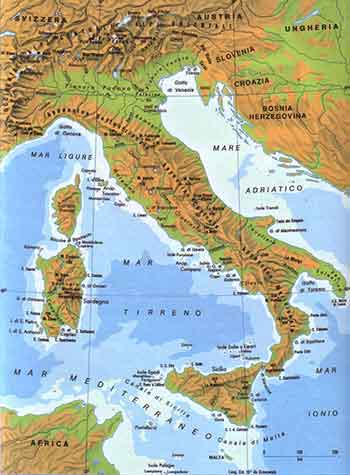
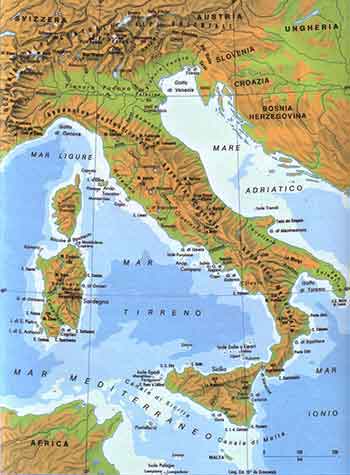
    (Immagine: cittacapitali.it)

    Molti stranieri amano l’Italia ma spesso conoscono solo le sue 3 città più famose: Roma, Firenze, Venezia.
    E tu?
    Conosci l’Italia?
    Sai quali sono le sue montagne più importanti?
    Sai qual è il lago più grande?
    Dove sono i due vulcani principali?
    Dov’è Bologna?

    Many foreigners love Italy, but they often only know its three most famous cities: Rome, Florence, Venice.
    What about you?
    How well do you know Italy?
    Can you name its most important mountains?
    Do you know which is the largest lake?
    Where are the two major volcanoes located?
    And what about Bologna – do you know where that is?

    To practice Italian this week we invite you to read and test…
    PRACTICE HERE: Italian/English Version

    Para practicar el idioma italiano esta semana te invitamos a leer y testar…
    PRACTICA AQUÍ: Versión Italiano/Española

    Image courtesy of cittacapitali.it


    [ad_2]

    Source link
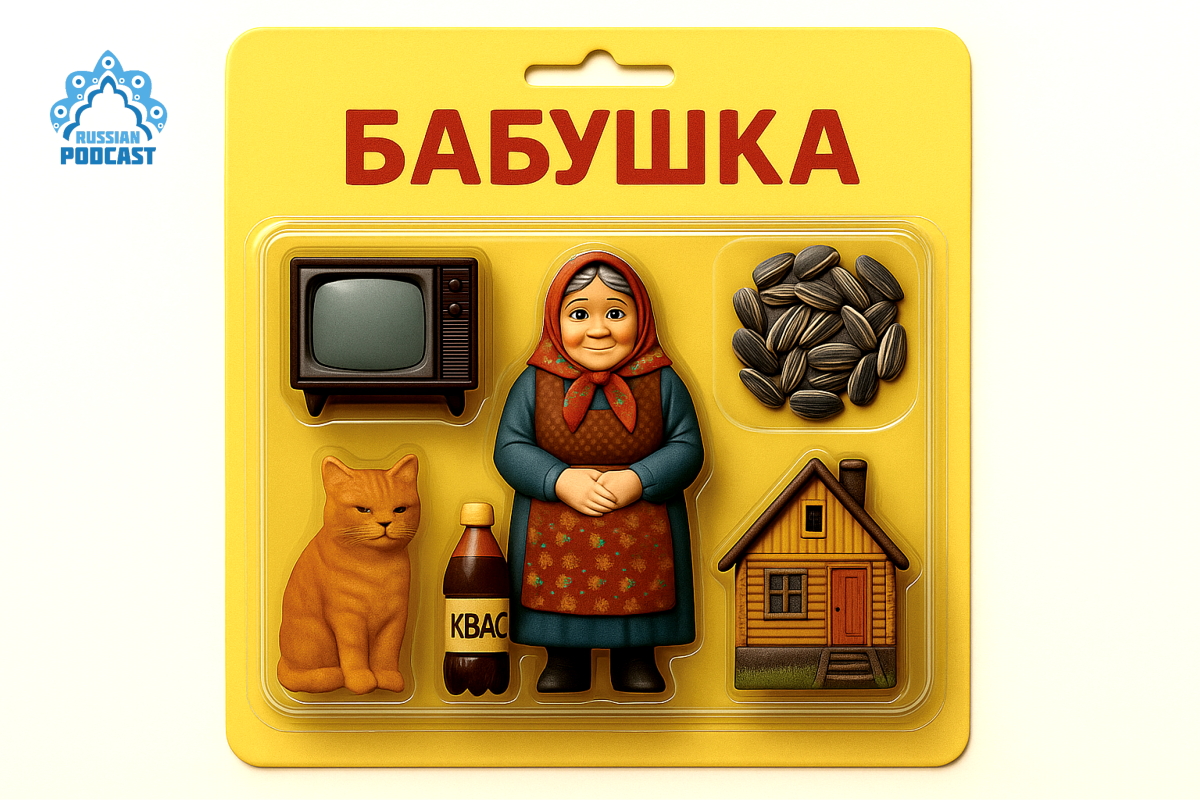
  • Бабушки – Русский Подкаст

    Бабушки – Русский Подкаст

    [ad_1]

    Шон

    Слушаю русский подкаст, чтобы изучаю новые слова и предложения. Большое спасибо за работу!

    Sam

    Я просто хотел сказать огромное спасибо. Сначала я ничего не мог понять. Я использовал твой подкасты как мост, и сейчас я могу понимать контент для носителей языка. Я мог бы сдался, если бы не нашёл твои подкасты))

    Kobi

    Simply the best Russian learning podcast, as it’s 100% in Russian, with a lot of redundant explanations (in the best sense), collect the basics somewhere, and use this to push yourself from Beginner level comprehension, to a communicative intermediate learner.

    Barbara

    Спасибо большое за то, что Вы делаете для любители русского языка и русской культуры.

    Bettina

    la meilleure forme d’apprentissage de tout le web!

    Neeka

    What a wonderful podcast, clear pronunciation, at a medium yet natural pace, Tatiana introduces new words by describing them in Russian instead of translating them into English. I love this Russian podcast, its all in Russian!

    Leila

    Я большой фанат не только вашего замечательного подкаста, но и всего, что вы делаете, чтобы помогать изучающих и преподающим русский язык делать это еще лучше :).

    Kamal

    Все видео и подкасты мне нравятся. Удачи!

    Верика

    Дорогая Татьяна! Мне очень нравится, как ты объяснишь трудные и длинные русские слова.

    James

    Большое спасибо за твою работу. Мой русский язык улучшается каждый день. До твоего подкаста, я не мог слушать русский язык очень хорошо. Когда я говорю с людьми, нам было нужно разговаривать медленно, теперь я понимаю моих друзей хорошо.


    [ad_2]

    Source link